.
Also, how do I bring my pH down?
To lower the pH, the most common liquid acid used is muriatic acid, also known as hydrochloric acid. To raise the pH, soda ash (sodium carbonate) is normally used. Sodium bicarbonate (baking soda) can be used to raise pH if the alkalinity is low, but it's more commonly used to raise alkalinity.
One may also ask, what do I do if the pH in my pool is high? Most pool experts recommend a pool pH between 7.2 and 7.8. To raise or lower pH, a pool custodian simply adds acids or alkalis into the water. For example, adding sodium carbonate (soda ash) or sodium bicarbonate (baking soda) will generally raise the pH, and adding muriatic acid or sodium bisulfate will lower the pH.
Just so, what is pH Decreaser made of?
-Sodium Bisulfate is commonly known as pH Decreaser, but when used in larger quantities, it makes an effective chemical in controlling Total Alkalinity as well. -Muriatic acid is a popular chemical used to lower Total Alkalinity. It is a dangerous chemical if mishandled, and should be used with caution.
How do I lower the pH and alkalinity in my pool?
Total alkalinity should only be lowered when it causes a significant rise in pH levels, or when it causes calcium scaling through CSI. To lower pH and total alkalinity, use a strong acid such as muriatic acid, sulfuric acid, or sodium bisulfate, all of which lower both pH and TA, but at different rates.
Related Question AnswersDoes shock raise pH?
Chlorine based pool shock (Calcium Hypochlorite) has a high pH, and will naturally raise the pH level of your swimming pool water, in addition to changing your chlorine level. Chlorine free shock has a neutral pH, and will not affect any of your pool chemical levels.How do I lower my pH naturally?
To lower the pH, add natural items like driftwood, peat moss, and almond leaves to the tank. You can also invest in a reverse osmosis filter for a more stable, long-term option. Cleaning and maintaining the aquarium will ensure your fish stay healthy.Will vinegar lower pH in water?
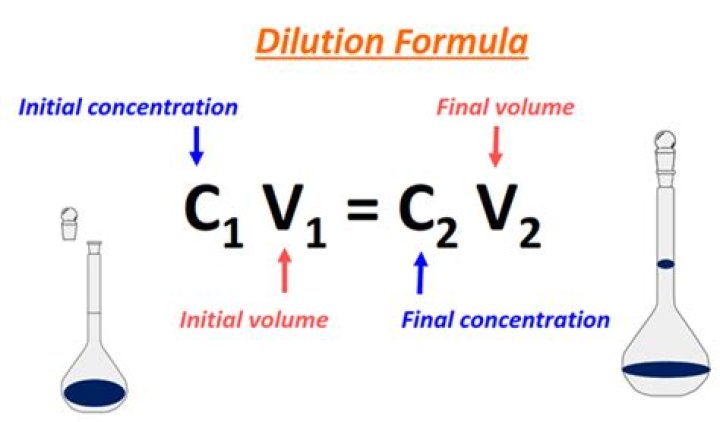
Diluting vinegar with water increases its pH value, because vinegar is an acid and water has a higher pH level. However, adding water to vinegar can never turn vinegar into an alkaline, because water has a neutral pH.Does adding chlorine lower pH?
Chlorine gas will lower your pH. This can often be a very drastic effect, causing a very rapid drop in pH. Liquid chlorine will raise the pH more than powder chlorine. Either muriatic acid or sodium bisulfate can be used to neutralize these alkaline compounds.Will vinegar lower pH in pool?
You can purchase products from a pool supply store to regulate the PH, but if you do not have these chemicals on hand or if you prefer a more natural approach, adding vinegar to your spa can safely lower the pH.Does lemon juice lower pH in water?
Lemon juice has a pH between 2.0 and 3.0, so when added to water, it will certainly lower the pH. However, the acidity of lemons is not what will kill bacteria.What causes pH to rise?
An increase in acidity causes pH levels to fall. An increase in alkaline causes pH levels to rise. When the levels of acid in your blood are too high, it's called acidosis. When your blood is too alkaline, it is called alkalosis.How long does it take for pH up to work?
It varies quite a bit, anywhere from hours to weeks, depending on your TA level, water temperature, and the amount of aeration you can produce. Higher TA levels raise the PH more quickly, so it will slow down as you proceed.What chemical is most commonly used to increase pH?
Sodium bicarbonate (baking soda) is commonly used to raise both pH and total alkalinity. Unlike pH—which is basically an equilibrium scale to measure against—total alkalinity is a measurement of the concentration of all alkaline substances dissolved in the water.Is pH down the same as muriatic acid?
Because for the Total Alkalinity to go down, you must get the pH below 5.5 in the water. Adding muriatic acid (because it is so strong) lowers the pH of the water. When you pour it to below 5.5, the chemical reaction that lowers Total Alkalinity now takes place.What chemical is in pH up?
The industry standard has always been to use sodium bicarbonate (baking soda) to raise total alkalinity and sodium carbonate (soda ash) to raise pH — the exception being if both total alkalinity and pH are low.How does sodium bisulfate lower pH?
Sodium bisulfate is dry acid It is usually processed into white granules that are added into the pool with high pH and alkalinity. Sodium bisulfate lowers both the pH and total alkalinity, thus help maintain the water balance of your pool.What chemicals are used to clean pools?
The most popular pool disinfectant is the element chlorine, in the form of a chemical compound such as calcium hypochlorite (a solid) or sodium hypochlorite (a liquid). When the compound is added to the water, the chlorine reacts with the water to form various chemicals, most notably hypochlorous acid.What household items lower pH in pools?
You really can clean your pool for a fraction of the cost of what you'd buy at a pool store.- Baking Soda. Making a simple paste from water and baking soda creates a non-abrasive cleaner that works wonders on pool tile and grout.
- Bleach.
- Muriatic Acid.
- Borax.
- Olive Oil.
- White Vinegar.
- Lemon Juice.
- Rubbing Alcohol.