.
Keeping this in view, can EEG detect past seizures?
The EEG generally records brain waves between seizures, called interictal brain waves. The neurologist looks for spikes or sharp waves ("epilepsy waves") to confirm the diagnosis, but the absence of these abnormal brain waves does not mean you didn't have a seizure in the past.
Secondly, can EEG cause seizures? In rare instances, an EEG can cause seizures in a person with a seizure disorder. This is due to the flashing lights or the deep breathing that may be involved during the test. If you do get a seizure, your healthcare provider will treat it immediately.
Similarly, how is EEG used to diagnose seizures?
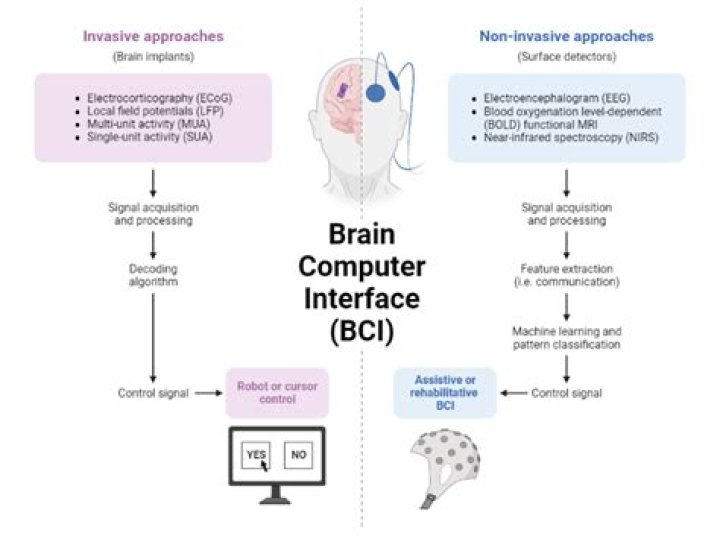
Electroencephalogram (EEG). This is the most common test used to diagnose epilepsy. In this test, electrodes are attached to your scalp with a paste-like substance or cap. The electrodes record the electrical activity of your brain.
What is an EEG test used to diagnose?
An electroencephalogram (EEG) is a test used to find problems related to electrical activity of the brain. An EEG tracks and records brain wave patterns. Small metal discs with thin wires (electrodes) are placed on the scalp, and then send signals to a computer to record the results.
Related Question AnswersCan you feel a seizure coming on?
Seizures can last from a few seconds to a few minutes, and sometimes it's hard to tell that a person is having one, according to the Centers for Disease Control and Prevention. Seizure signs and symptoms may include: Temporary confusion—often described as a “fuzzy” feeling. A staring spell.What is the difference between a seizure disorder and epilepsy?
The differences between a seizure, epilepsy, and seizure disorders are confusing to many people. While a seizure disorder is a medical condition, in which the person has episodes of uncontrolled activity in the brain producing symptoms that include one or more seizures. Epilepsy is considered a seizure disorder.Can a neurologist tell if you ve had a seizure?
If your doctor thinks you've had a seizure, she will probably refer you to a neurologist. When you visit your doctor, he'll ask lots of questions about your health and what happened before, during, and after the seizure. A number of tests may be ordered which can help diagnose epilepsy and see if a cause can be found.What can mimic a seizure?
Many conditions have symptoms similar to epilepsy, including first seizures, febrile seizures, nonepileptic events, eclampsia, meningitis, encephalitis, and migraine headaches.- First Seizures.
- Febrile Seizures.
- Nonepileptic Events.
- Eclampsia.
- Meningitis.
- Encephalitis.
- Migraine.
What does a normal EEG rule out?
Your neurologist reads the EEG to look for clues in the brain's activity that may help define the cause or type of seizure. A normal EEG does not rule out the possibility of epilepsy. In fact, since the EEG records only a 30-minute snapshot of the brain's activity, many EEGs are normal.Can dehydration cause seizures?
Prolonged or repeated bouts of dehydration can cause urinary tract infections, kidney stones and even kidney failure. Seizures.What is Rasmussen syndrome?
Rasmussen's encephalitis. Rasmussen's encephalitis, is a rare inflammatory neurological disease, characterized by frequent and severe seizures, loss of motor skills and speech, hemiparesis (weakness on one side of the body), encephalitis (inflammation of the brain), and dementia.Can stress or anxiety cause seizures?
In particular, the kind of emotional stress that leads to most seizures is worry or fear. One study found that in some patients, anxiety—another term for worry and fear—led to hyperventilation (overbreathing) and an increase in abnormal brain activity and seizures.Do seizures show up on MRI?
Magnetic Resonance Imaging - MRI In people with epilepsy it can be used to see if there is an obvious reason for their seizures. However, many people have brain lesions without having epilepsy, and many people with epilepsy do not have any scars or lesions on their brain.Can a blood test detect a seizure?
New Blood Test May Detect Epileptic Seizures It helps determine whether a seizure was caused by epilepsy or another disorder. The test, which must be used within 10 to 20 minutes after a seizure, measures levels of the hormone prolactin in the blood.Can EEG detect mental illness?
Electroencephalography (EEG) is primarily of use in diagnosing epilepsy and other brain diseases (1), but there are other reasons why EEG is also an important diagnostic test in psychiatric practice. Epileptic seizures can also mimic psychiatric disorders or trigger episodes with psychiatric symptoms.What are the 4 types of seizures?
The different types of generalized seizures are:- absence seizures (formerly known as petit mal)
- tonic-clonic or convulsive seizures (formerly known as grand mal)
- atonic seizures (also known as drop attacks)
- clonic seizures.
- tonic seizures.
- myoclonic seizures.
What labs check for seizures?
Tests may include:- A neurological exam.
- Blood tests.
- Lumbar puncture.
- An electroencephalogram (EEG).
- Computerized tomography (CT).
- Magnetic resonance imaging (MRI).
- Positron emission tomography (PET).
- Single-photon emission computerized tomography (SPECT).